
Have you ever felt worried even when everything around you seems normal? Do you frequently overthink situations, struggle to relax or feel nervous about everyday responsibilities? Occasional anxiety is a natural response to stress, but when these feelings become persistent and start affecting your personal or professional life, it may be time to seek professional support.
Anxiety can influence the way people think, feel and respond to different situations. It may affect sleep, concentration, relationships and confidence. Understanding these experiences is the first step towards managing them effectively.
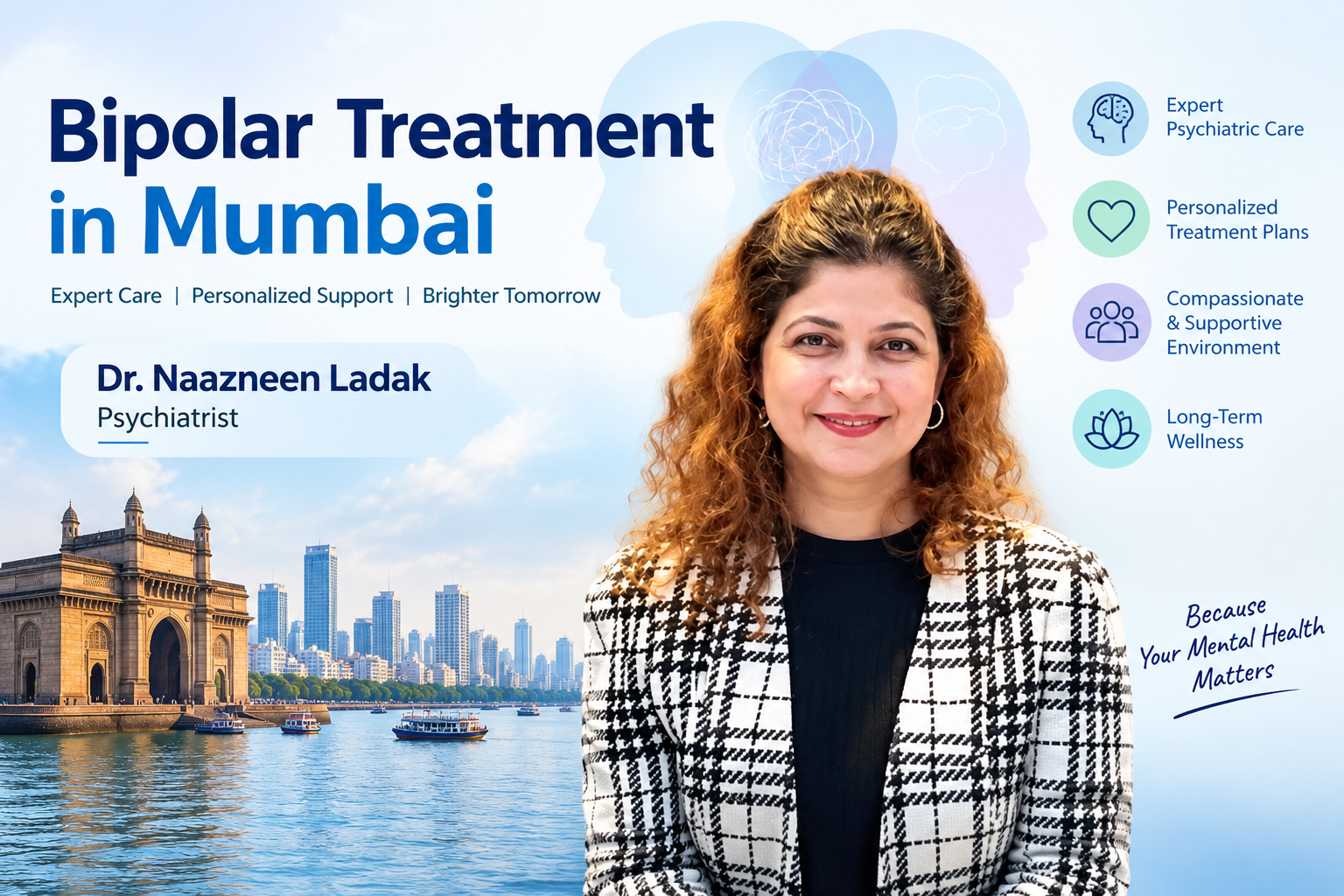
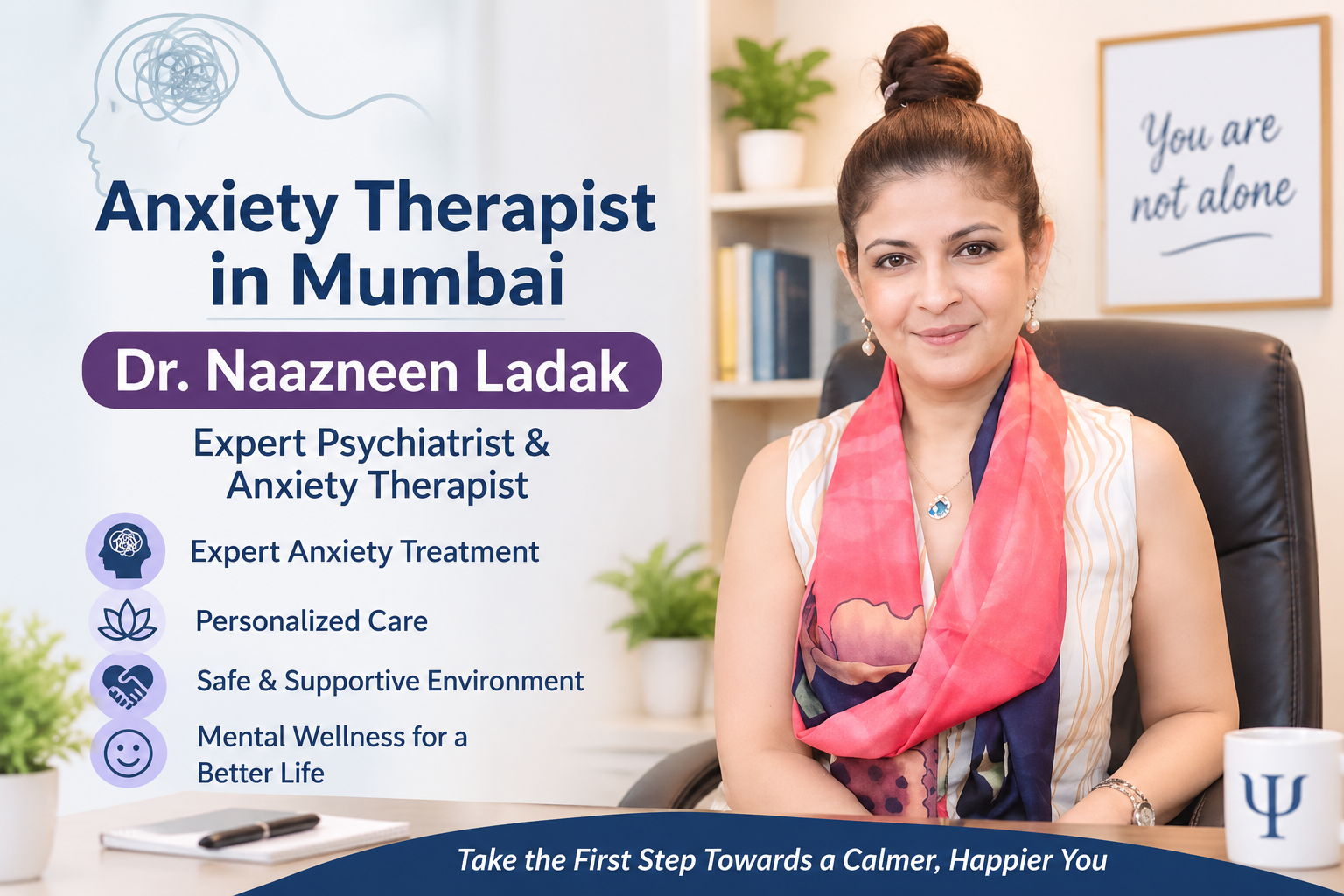
For individuals searching for an Anxiety Therapist in Mumbai, Dr. Naazneen Ladak offers psychiatric consultation and mental health support to help individuals understand their emotional difficulties and explore appropriate treatment options.
With a focus on individual mental health needs, professional assessment and compassionate care, the practice aims to provide guidance for people experiencing anxiety-related concerns.
Anxiety Is More Than Just Feeling Worried
Everyone experiences stress and worry from time to time. However, anxiety disorders involve excessive fear or worry that may persist and interfere with everyday functioning.
A person experiencing anxiety may constantly anticipate negative outcomes, feel uncomfortable in social situations or find it difficult to manage uncertainty.
Sometimes, anxiety can also produce physical symptoms. These may include:
- Increased heartbeat or palpitations.
- Restlessness and constant nervousness.
- Difficulty falling or staying asleep.
- Muscle tension and headaches.
- Sweating or trembling.
- Difficulty concentrating.
- Repeated negative thoughts.
- Feeling overwhelmed by everyday situations.
Not everyone experiences anxiety in the same way. Symptoms can vary depending on the individual and the type of anxiety-related condition.
If these experiences continue or interfere with daily activities, consulting a mental health professional can help identify the underlying concerns.
What Can Trigger Anxiety in Everyday Life?
Anxiety does not always have one identifiable cause. It can develop through a combination of biological, psychological, environmental and social factors.
Some common contributing factors include:
Workplace Pressure: Tight deadlines, professional responsibilities, job insecurity and demanding work environments can contribute to ongoing stress and anxiety.
Personal Relationships: Family disagreements, relationship difficulties, emotional uncertainty and communication problems may affect mental well-being.
Financial Concerns: Worries about expenses, financial responsibilities and future security can create persistent feelings of uncertainty.
Major Life Changes: Moving to a new place, changing careers, starting a family or experiencing personal loss may contribute to emotional distress.
Health-Related Concerns: Worrying excessively about physical health or the possibility of illness can sometimes become difficult to manage.
Past Experiences: Difficult or distressing experiences may influence how an individual responds to stressful situations.
Understanding possible triggers can help individuals and therapists identify suitable ways to manage anxiety.
Different Types of Anxiety That May Require Professional Attention
Anxiety is not a single condition. It can appear in different forms, each with its own symptoms and challenges.
Generalised Anxiety Disorder (GAD)
People with GAD experience excessive worry about multiple aspects of everyday life, including work, family, finances and health.
Even when there is no immediate reason for concern, the worrying may continue and become difficult to control.
Social Anxiety Disorder
Social anxiety involves an intense fear of being judged, embarrassed or negatively evaluated by others.
Individuals may avoid public speaking, social gatherings, professional meetings or unfamiliar situations because of this fear.
Panic Disorder
Panic disorder involves recurrent, unexpected panic attacks. These episodes may include a racing heartbeat, breathlessness, trembling, dizziness and intense fear.
The fear of experiencing another panic attack can also affect everyday decisions and activities.
Specific Phobias
A specific phobia involves an intense fear of a particular object, situation or activity, such as heights, flying, insects or enclosed spaces.
Health Anxiety
Health anxiety involves excessive worry about having or developing a serious medical condition, sometimes despite medical reassurance.
A proper clinical assessment helps distinguish between different anxiety-related conditions and other possible causes of symptoms.
How Can an Anxiety Therapist Help?
Working with a qualified mental health professional can help individuals understand their thoughts, emotions and behavioural patterns.
Therapy is not simply about discussing problems. It can involve learning practical techniques, identifying unhelpful thinking patterns and developing healthier responses to stressful situations.
Depending on the individual's needs, treatment may include:
Cognitive Behavioural Therapy (CBT): CBT helps individuals identify unhelpful thought patterns and understand how these thoughts influence emotions and behaviour. It can help develop more balanced thinking and practical coping skills.
Relaxation Techniques: Breathing exercises, mindfulness and relaxation practices may help individuals manage physical tension and emotional distress.
Behavioural Strategies: Gradual exposure to certain feared situations, when clinically appropriate, can help reduce avoidance behaviours.
Emotional Understanding: Therapy can help individuals recognise emotional triggers, understand their reactions and develop healthier responses.
Psychiatric Support: When anxiety symptoms are significant, a psychiatrist may assess whether medication or additional clinical support is appropriate.
The most suitable approach depends on the individual's condition, symptoms and treatment goals.
Why Consider Dr. Naazneen Ladak for Anxiety-Related Concerns?
Finding the right professional is an important part of the mental healthcare journey. Individuals should feel comfortable discussing their concerns and asking questions about treatment.
Dr. Naazneen Ladak is a psychiatrist practising in Mumbai. Her professional profile lists medical qualifications from India and advanced psychiatric qualifications and clinical experience in the United States.
Her practice addresses various mental health concerns, including anxiety, depression, OCD, bipolar disorder and relationship-related difficulties.
For individuals looking for an anxiety therapist in Mumbai, her practice offers a setting to discuss emotional challenges, undergo psychiatric assessment and understand available treatment options.
Mental healthcare recommendations are based on individual clinical needs rather than a standard treatment plan for everyone.
Small Lifestyle Changes That May Support Anxiety Management
Professional treatment is important when anxiety becomes difficult to manage. Alongside appropriate clinical care, certain everyday habits may support emotional well-being.
Here are some practical habits to consider:
1. Maintain a Consistent Sleep Schedule
Irregular sleep can affect mood, concentration and stress tolerance. Try maintaining consistent sleeping and waking times.
2. Include Physical Activity
Walking, yoga, stretching and other suitable forms of exercise can support overall mental and physical health.
3. Reduce Excessive Caffeine
High caffeine intake may worsen symptoms such as restlessness, nervousness and palpitations in some individuals.
4. Practise Mindful Breathing
Slow, comfortable breathing exercises may help you become more aware of your body's response to stress.
5. Maintain Social Connections
Talking to trusted friends or family members can help reduce feelings of isolation.
6. Avoid Self-Diagnosis
Reading about anxiety online can provide general information, but it cannot replace an individual clinical assessment.
These habits are supportive measures and should not be considered substitutes for professional treatment when needed.
When Should You Seek Professional Help for Anxiety?
It is important to recognise when everyday worry has started affecting your quality of life.
Consider consulting a mental health professional if:
- You experience excessive worrying on most days.
- Anxiety affects your ability to concentrate or work.
- You frequently avoid social or professional situations.
- Sleep difficulties are becoming persistent.
- You experience repeated episodes of intense fear.
- Physical symptoms occur alongside ongoing anxiety.
- You find it difficult to manage everyday responsibilities.
Seeking support early can help you understand your symptoms and explore appropriate treatment options.
If anxiety is accompanied by thoughts of self-harm or suicide, seek urgent professional help or visit the nearest emergency department.
Finding an Anxiety Therapist in Mumbai: What Should You Look For?
Choosing a mental health professional requires more than simply selecting the nearest clinic. It is important to consider the professional's qualifications, clinical experience and approach to treatment.
Before booking a consultation, consider the following:
- Professional Qualifications: Check the psychiatrist's recognised medical and specialist qualifications.
- Relevant Experience: Look for experience in assessing and managing anxiety-related conditions.
- Treatment Approach: Ask about available therapy options and how treatment recommendations are made.
- Communication: Choose someone who listens carefully and explains treatment options clearly.
- Follow-Up Support: Understand how progress is monitored and how follow-up consultations are arranged.
- Accessibility: Consider the clinic location and appointment availability.
For people living in Andheri, Juhu, Vile Parle, Santacruz and nearby parts of Mumbai, a conveniently located psychiatric practice can make regular consultations easier.
Frequently Asked Questions About Anxiety Therapy
1. Who should I consult for anxiety treatment in Mumbai?
You can consult a qualified psychiatrist or a suitably trained mental health therapist, depending on your symptoms and treatment needs. A psychiatrist can assess anxiety disorders and advise on psychotherapy, medication or combined treatment when appropriate.
2. Can anxiety be managed without medication?
Some individuals benefit from psychotherapy and lifestyle changes without medication. Others may require medication depending on symptom severity and clinical assessment. Treatment decisions should be made with a qualified professional.
3. How long does anxiety therapy take?
The duration varies according to the type of anxiety, symptom severity, treatment approach and individual progress. Some people benefit from a structured course of therapy, while others require longer-term support.
4. Is CBT effective for anxiety?
Cognitive Behavioural Therapy is an evidence-based treatment for several anxiety disorders. It helps individuals identify unhelpful thoughts and behaviours and develop practical coping strategies.
5. Can anxiety cause physical symptoms?
Yes. Anxiety may cause physical symptoms such as sweating, trembling, muscle tension, palpitations, dizziness and gastrointestinal discomfort. However, physical symptoms can have other medical causes, so appropriate assessment is important.
6. Can anxiety affect professional and personal relationships?
Yes. Persistent anxiety can affect communication, concentration, confidence and social interactions. Professional support can help individuals understand these difficulties and develop healthier coping strategies.
7. Where can I consult Dr. Naazneen Ladak?
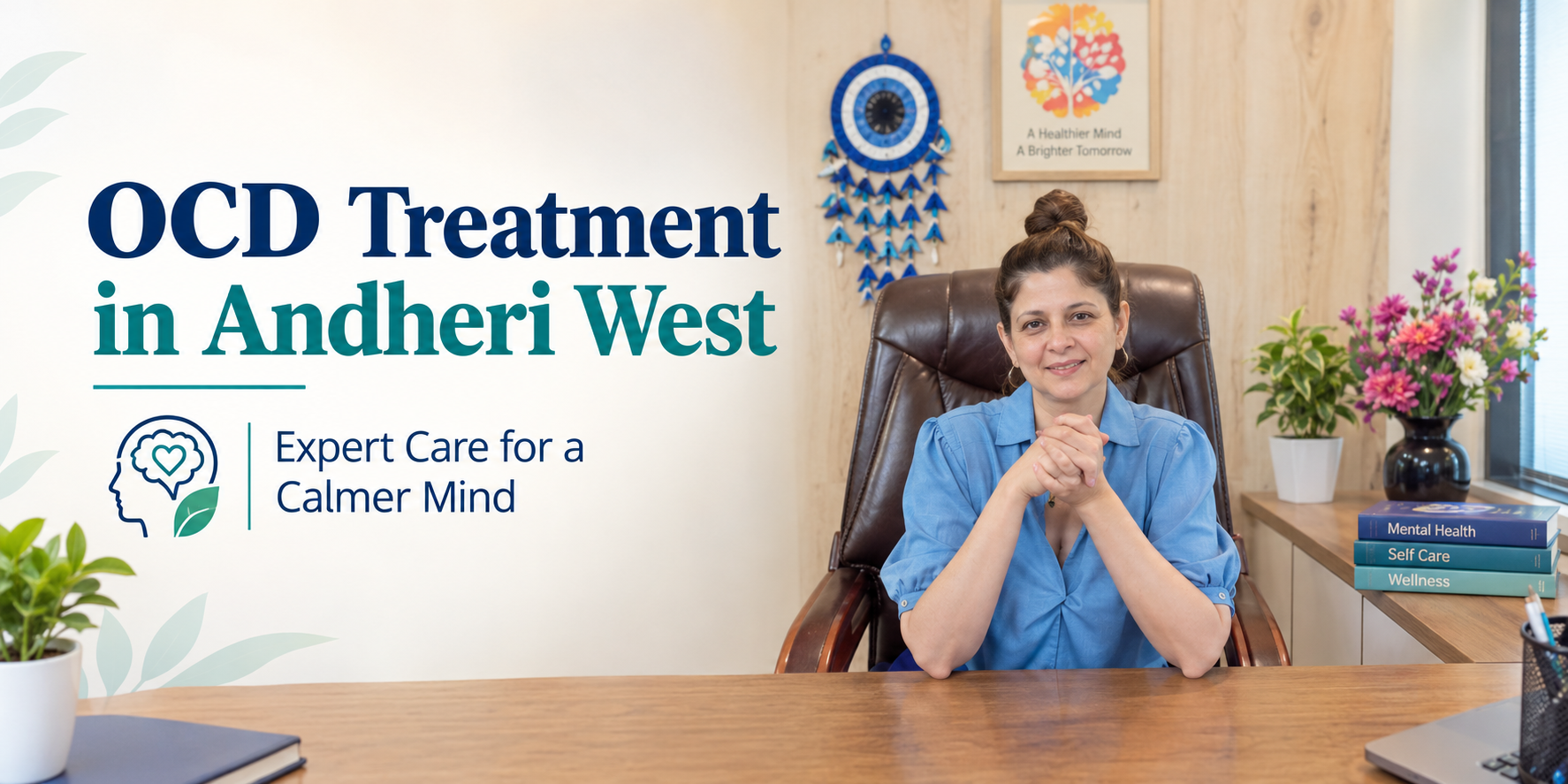
Dr. Naazneen Ladak practises at 1st Floor, Maina Gul Building, Ceasar Road, opposite Citizens Bank, Andheri West, Mumbai, Maharashtra 400058.
8. How can I book an appointment?
You can contact the clinic at +91 99208 33386 or visit the official website, https://drnaazneenladak.co.in/, for appointment enquiries.
Your Mental Well-Being Deserves Attention
Living with persistent anxiety can be exhausting, especially when it starts affecting your confidence, relationships, sleep and everyday responsibilities. However, you do not have to navigate these difficulties without support.
Understanding your symptoms and seeking professional guidance can help you take informed steps towards better mental health.
If you are searching for an Anxiety Therapist in Mumbai, Dr. Naazneen Ladak offers psychiatric consultation and mental health support in Andheri West.
Reach out to the clinic to enquire about an appointment and discuss your concerns with a mental health professional.
Dr. Naazneen Ladak – Professional Psychiatric Care in Mumbai.