


Comprehensive Narcolepsy Treatment & Management
Narcolepsy is a chronic neurological disorder that affects the brain’s ability to regulate sleep-wake cycles. People with narcolepsy often experience excessive daytime sleepiness, sudden sleep attacks, and sometimes muscle weakness (cataplexy). Our Narcolepsy Treatment Program focuses on accurate diagnosis, lifestyle management, and medical support to help individuals regain control over their daily life and improve alertness.
At our clinic, we combine neurological assessment, sleep studies, behavioral therapy, and medication management to create a personalized treatment plan. Our goal is to reduce sleep disruptions, manage symptoms effectively, and restore overall well-being and productivity.
Our Approach to Narcolepsy Management
We provide an integrated approach to narcolepsy care that includes both medical and therapeutic interventions. Our specialists use Cognitive Behavioral Therapy (CBT) techniques to address emotional and psychological challenges, combined with medications that help regulate sleep patterns and reduce daytime fatigue.
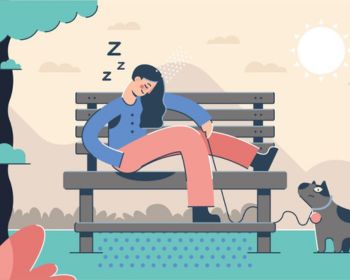
 Sleep Disorder Diagnosis & Monitoring
- Cognitive Behavioral Therapy (CBT)
- Medication & Lifestyle Management
- Emotional & Family Support
Frequently Asked Questions About Narcolepsy
We understand how challenging living with narcolepsy can be. Here are some commonly asked questions about our Narcolepsy Treatment and management approach.
Common symptoms include excessive daytime sleepiness, sudden loss of muscle control (cataplexy), sleep paralysis, and hallucinations when falling asleep or waking up. Proper diagnosis through sleep studies is essential.
Diagnosis involves sleep tests such as polysomnography and multiple sleep latency tests. Treatment typically includes medications to regulate sleep and wakefulness, along with behavioral therapy and lifestyle changes.
While narcolepsy cannot be completely cured, effective treatment can help manage symptoms, improve daytime alertness, and enhance quality of life with the right combination of therapy and medication.
Yes, stress, irregular sleep schedules, and poor sleep hygiene can worsen narcolepsy symptoms. Regular sleep routines, relaxation therapy, and a balanced lifestyle are vital parts of treatment.