

Comprehensive Treatment for Schizophrenia and Psychosis
Schizophrenia and other psychotic disorders are serious mental health conditions that affect how a person thinks, feels, and perceives reality. Individuals may experience delusions, hallucinations, disorganized thinking, or emotional withdrawal. Our specialized Schizophrenia and Psychosis Treatment program provides compassionate, evidence-based care to help patients regain stability and lead fulfilling lives.
Our clinic adopts an integrated approach combining psychiatric evaluation, psychotherapy, medication management, and family education. We aim to help individuals manage symptoms, improve cognitive function, and enhance overall quality of life through continuous professional support.
Our Approach to Schizophrenia and Psychosis Recovery
We understand that every individual’s experience with psychosis is unique. Our treatment plans are customized using Cognitive Behavioral Therapy for Psychosis (CBTp), psychoeducation, and social skills training. Along with medical supervision, we help clients develop coping skills to manage stress, challenge distorted thoughts, and prevent relapse.
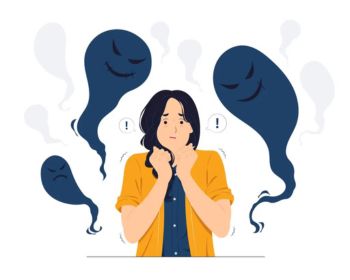
 Cognitive Behavioral Therapy for Psychosis (CBTp)
- Medication & Psychiatric Support
- Family Counselling & Psychoeducation
- Relapse Prevention & Stress Management
Frequently Asked Questions About Schizophrenia and Psychosis
Here are some common questions about our Schizophrenia and Psychosis Treatment process, helping you understand how professional support can lead to long-term recovery and stability.
Symptoms may include hallucinations (hearing or seeing things that aren’t real), delusions (false beliefs), disorganized speech or behavior, lack of motivation, and social withdrawal. Early intervention is key to better outcomes.
Treatment usually involves antipsychotic medications, psychotherapy, and social rehabilitation. Cognitive Behavioral Therapy (CBTp) and family counseling are highly effective in managing symptoms and preventing relapses.
Yes. With consistent treatment, medication, and therapy, many people with Schizophrenia or Psychosis can lead meaningful, productive lives. Early diagnosis and ongoing care greatly increase the chances of full recovery.
Family involvement is essential in recovery. Educating family members about symptoms, medication, and communication techniques can help provide emotional stability and prevent future relapses.