
Bipolar disorder is a mental health condition that can affect a person's mood, energy levels, sleep, thoughts and everyday activities. People living with this condition may experience episodes of unusually elevated mood, increased energy or irritability, followed by periods of depression. These changes can affect personal relationships, professional responsibilities and overall well-being.
Seeking appropriate Bipolar Treatment in Mumbai can help individuals understand their symptoms, manage mood episodes and work towards a more stable daily life. With a suitable treatment plan, regular professional support and ongoing care, many people with bipolar disorder can lead meaningful and productive lives.
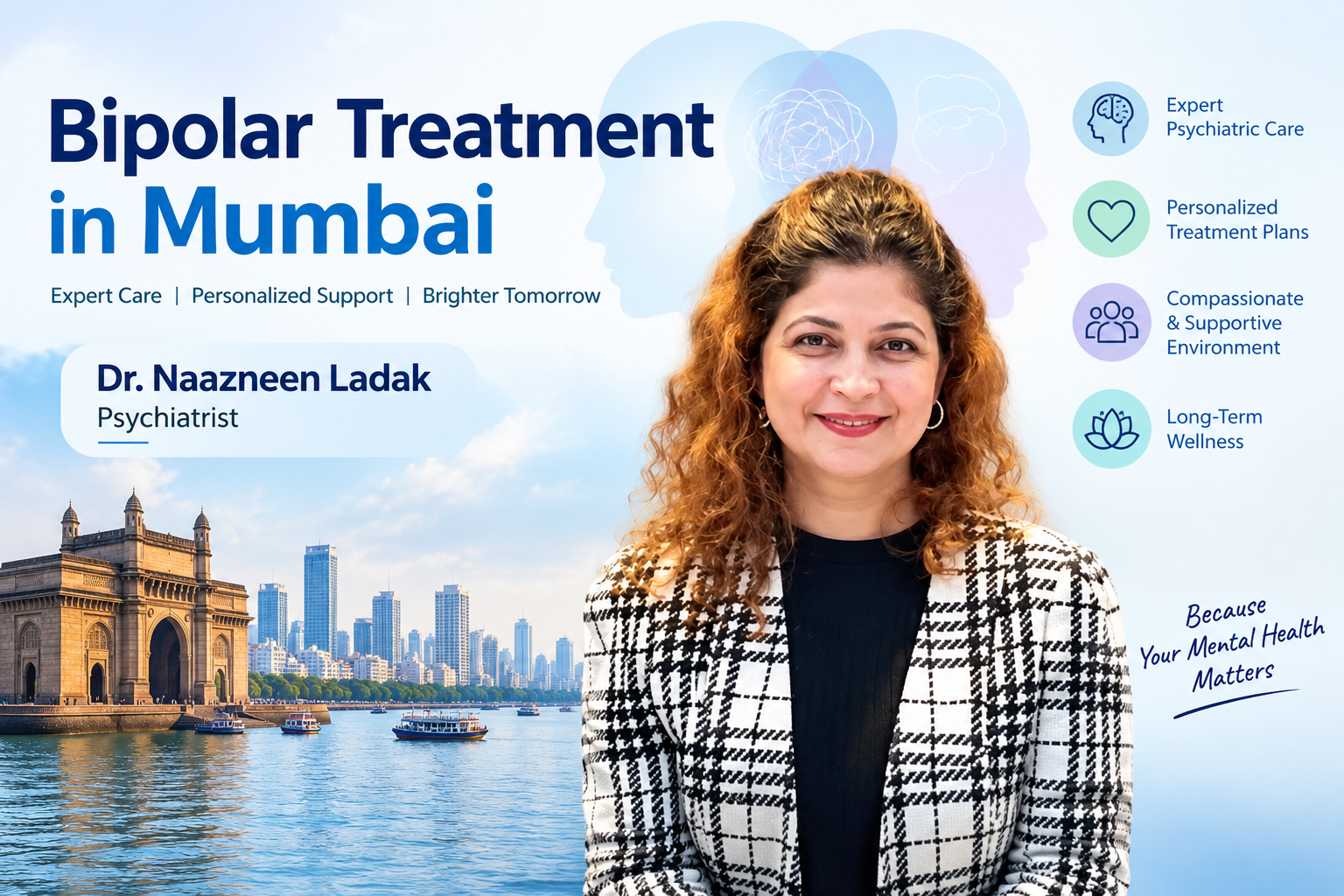
Dr. Naazneen Ladak is the brand associated with this page for individuals seeking information about bipolar disorder and available treatment options in Mumbai. A qualified mental health professional can help assess symptoms, clarify the diagnosis and guide patients towards appropriate care.
What Is Bipolar Disorder?
Bipolar disorder is a mental health condition characterised by significant changes in mood, energy and activity levels. These changes are more intense than ordinary mood fluctuations and may last for days or weeks, depending on the individual and the type of episode.
The condition generally involves episodes of mania or hypomania and episodes of depression. Some individuals experience periods of relatively stable mood between these episodes.
Bipolar disorder can affect people of different ages and backgrounds. It is not a personal weakness or a character flaw. Understanding the condition and seeking professional assessment are important steps towards effective management.
Common Symptoms of Bipolar Disorder
Recognising the symptoms of bipolar disorder can help individuals and their families seek timely professional guidance.
1. Symptoms of Mania or Hypomania
During an elevated mood episode, a person may experience:
- Unusually high energy or increased activity.
- A reduced need for sleep without feeling tired.
- Rapid speech or racing thoughts.
- Increased confidence or feelings of unusual importance.
- Impulsive spending or risky decision-making.
- Increased irritability, restlessness or agitation.
- Difficulty concentrating on one task.
Mania can significantly disrupt daily functioning and may require urgent medical attention. Hypomania involves a less severe elevation in mood and energy, although it can still affect behaviour and relationships.
2. Symptoms of Bipolar Depression
During a depressive episode, a person may experience:
- Persistent sadness, emptiness or hopelessness.
- Reduced interest in previously enjoyable activities.
- Low energy and ongoing fatigue.
- Changes in sleep or appetite.
- Difficulty concentrating or making decisions.
- Feelings of guilt, worthlessness or helplessness.
- Thoughts of self-harm or suicide.
Not everyone experiences bipolar disorder in the same way. A detailed assessment is necessary because some symptoms can overlap with other mental health conditions.
When Should You Seek Bipolar Treatment in Mumbai?
Consider consulting a qualified mental health professional if you or a family member experiences recurring changes in mood, sleep, energy or behaviour that interfere with daily life.
Professional evaluation is particularly important when:
- Mood changes are unusually intense or persistent.
- Periods of high energy are accompanied by very little sleep.
- Depressive episodes affect work, studies or relationships.
- Impulsive behaviour creates financial, social or personal difficulties.
- Mood symptoms repeatedly return after periods of improvement.
- Family members notice significant changes in behaviour or functioning.
Early assessment can help identify the nature of the symptoms and determine whether bipolar disorder or another condition may be involved.
Bipolar Treatment in Mumbai: Available Treatment Approaches
Treatment for bipolar disorder depends on the individual's symptoms, medical history, current mood episode and previous response to treatment. There is no single approach that works equally well for everyone.
A personalised treatment plan may include the following components.
1. Psychiatric Assessment and Diagnosis
The first step is a comprehensive assessment by a qualified psychiatrist or other appropriately trained mental health professional.
The assessment may include questions about mood changes, sleep patterns, energy levels, behaviour, family history, medical conditions and previous treatment. Information from family members may also be helpful, with the individual's consent where appropriate.
Accurate diagnosis helps distinguish bipolar disorder from conditions that may have similar symptoms, such as depression, anxiety disorders or certain medical conditions.
2. Medication Management
Medication is often an important part of bipolar disorder treatment. Depending on the clinical assessment, a psychiatrist may prescribe mood stabilisers or certain antipsychotic medications to manage mood episodes and reduce the likelihood of recurrence.
The choice of medication depends on several factors, including the type of episode, potential side effects, other health conditions and individual treatment needs. Some medications require regular blood tests or other medical monitoring.
Medication should only be taken under medical supervision. Patients should not change their dosage, stop treatment suddenly or begin taking antidepressants without consulting their prescribing clinician.
3. Psychotherapy and Counselling
Psychotherapy can complement medication by helping individuals understand their symptoms, develop coping strategies and manage the practical effects of bipolar disorder.
Depending on the person's needs and the clinician's assessment, therapy may focus on:
- Identifying mood changes and early warning signs.
- Developing healthier responses to stress.
- Improving emotional regulation and problem-solving.
- Strengthening communication and relationships.
- Building strategies for managing depressive symptoms.
- Supporting consistency with the recommended treatment plan.
Psychotherapy is generally used alongside appropriate medical care rather than as a substitute for medication when medication is clinically indicated.
4. Lifestyle and Routine Management
A consistent daily routine can support treatment and help individuals recognise patterns associated with mood changes.
Helpful practices may include:
- Maintaining regular sleeping and waking times.
- Eating balanced meals at consistent times.
- Engaging in suitable physical activity.
- Monitoring mood, energy and sleep patterns.
- Managing stress through practical coping techniques.
- Avoiding recreational drugs and limiting or avoiding alcohol.
- Attending scheduled appointments and following the treatment plan.
These habits can support overall well-being, but they do not replace professional treatment.
5. Long-Term Monitoring and Relapse Prevention
Bipolar disorder often requires ongoing management, even when symptoms improve. Regular follow-up appointments allow the treating professional to review progress, monitor side effects and adjust the treatment plan when necessary.
Patients can also benefit from learning to recognise their personal warning signs, such as changes in sleep, energy, irritability or activity levels. A relapse-prevention plan can help individuals and their families know when to seek additional support.
Bipolar Treatment in Andheri: Finding Appropriate Mental Health Support
People searching for Bipolar Treatment in Andheri may be looking for professional guidance close to home or work. Access to appropriate mental health care can make it easier to attend appointments, maintain continuity of treatment and seek help when symptoms change.
A suitable treatment provider should take time to understand the individual's concerns, explain the assessment process and discuss available treatment options. Patients should feel comfortable asking questions about diagnosis, medication, side effects, psychotherapy and follow-up care.
Before booking an appointment with Dr. Naazneen Ladak, confirm the current consultation location, available services and appointment arrangements directly with the practice.
Bipolar Treatment in Andheri West: What Should You Look For?
When looking for Bipolar Treatment in Andheri West, it is important to focus on the quality and suitability of care rather than location alone.
Consider the following factors when choosing a mental health professional:
- Appropriate qualifications and clinical experience.
- A thorough assessment before recommending treatment.
- Clear explanations of treatment options and possible side effects.
- Individualised care based on symptoms and medical history.
- Regular follow-up and progress monitoring.
- Respect for patient privacy, preferences and dignity.
A collaborative approach can help patients understand their condition and participate more confidently in treatment decisions.
How Can Family Members Support Someone With Bipolar Disorder?
Family members and close friends can play a valuable role in supporting someone living with bipolar disorder. Understanding the condition can reduce misunderstandings and encourage a more supportive environment.
Practical ways to help include:
- Listening without judgement or criticism.
- Encouraging professional assessment and regular follow-up.
- Supporting a consistent sleep and daily routine.
- Recognising significant changes in mood or behaviour.
- Helping the person follow their agreed treatment plan, if they welcome this support.
- Learning about early warning signs and the clinician's relapse-prevention recommendations.
Family members should avoid dismissing symptoms as attention-seeking or assuming that the individual can simply control them through willpower. Compassion, patience and appropriate professional guidance can make a meaningful difference.
Frequently Asked Questions About Bipolar Treatment
1. Can bipolar disorder be treated successfully?
Bipolar disorder is generally a long-term condition, but treatment can help manage symptoms, reduce the severity or frequency of episodes and support everyday functioning. Outcomes vary, so ongoing monitoring and an individualised treatment plan are important.
2. Does bipolar disorder always require medication?
Medication is a central component of treatment for many people with bipolar disorder. The specific approach depends on the diagnosis, symptoms and clinical circumstances. A qualified psychiatrist can explain the likely benefits, risks and alternatives.
3. How long does bipolar disorder treatment take?
There is no fixed treatment duration for everyone. Acute mood episodes may require focused treatment, while preventing future episodes often involves longer-term care. The duration and frequency of follow-up depend on the individual's progress and clinical needs.
4. Is bipolar disorder the same as ordinary mood swings?
No. Everyday mood changes usually do not involve the sustained and significant changes in mood, energy and functioning associated with bipolar disorder. Diagnosis requires a professional assessment of the person's symptoms and history.
5. Can lifestyle changes help manage bipolar disorder?
Yes. Regular sleep, physical activity, stress management and mood monitoring can support treatment. However, lifestyle changes should complement rather than replace clinically recommended medication or psychotherapy.
6. When should someone seek urgent help?
Seek urgent professional help if a person develops severe mania, becomes unable to care for themselves, experiences psychotic symptoms or may harm themselves or someone else. If there is immediate danger, contact local emergency services or go to the nearest emergency department.
Consult Dr. Naazneen Ladak for Guidance on Bipolar Treatment
Living with bipolar disorder can be challenging, but individuals do not have to navigate the condition without support. Understanding symptoms, obtaining an appropriate diagnosis and following a personalised treatment plan can help people work towards greater stability and improved quality of life.
Visit : https://share.google/ioZCjU7GvgasCxFGW
Call : 099208 33386