
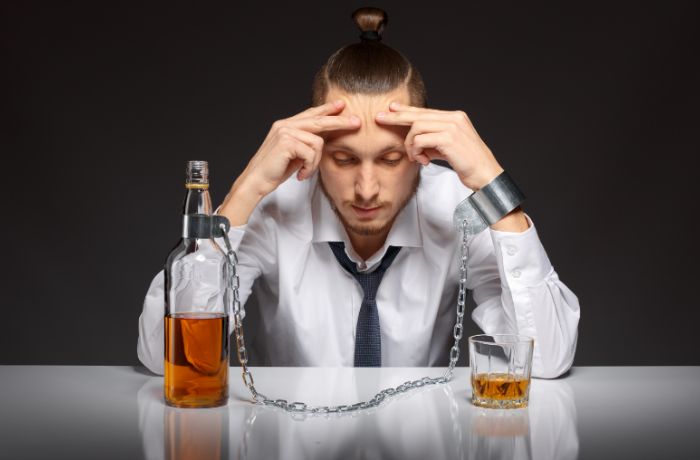
Alcohol Detox and Deaddiction Treatment
At our clinic, we offer specialized Alcohol Detox and Deaddiction Treatment programs designed to help individuals overcome alcohol dependence safely and effectively. Our multidisciplinary approach combines medical detoxification, psychological counselling, and behavioral therapies to ensure a smooth recovery process and long-term sobriety.
We understand that alcohol addiction affects not just physical health but also emotional well-being and relationships. Our compassionate team of therapists, doctors, and counsellors work together to address the root causes of addiction, develop coping strategies, and rebuild a healthy, fulfilling life free from substance dependence.
How Our Alcohol Detox & Recovery Program Works
Our structured deaddiction program focuses on both physical detoxification and psychological healing. The process begins with a medically supervised detox phase, followed by evidence-based therapies such as Cognitive Behavioral Therapy (CBT), motivational enhancement, and relapse prevention sessions. We ensure personalized treatment tailored to each client’s recovery goals.
 Comprehensive Medical Detox
- One-on-One Counselling Sessions
- Group Therapy & Support
- Relapse Prevention & Aftercare
Common Questions About Alcohol Deaddiction
Recovery from alcohol addiction is a journey that requires support, patience, and the right guidance. Here are some frequently asked questions about our alcohol detox and rehabilitation process.
Alcohol detox is the first step in recovery, where the body clears out alcohol toxins. This phase is carefully monitored by our medical professionals to manage withdrawal symptoms safely and comfortably.
The duration varies based on the severity of addiction and individual needs. Typically, detox may last 7–10 days, followed by 4–8 weeks of therapy and rehabilitation for sustainable recovery.
Yes, counselling plays a vital role in addressing the psychological triggers of alcohol use. Our therapists help clients develop emotional awareness, build coping skills, and prevent relapse through continuous guidance.
While some cases require medication for withdrawal management, many individuals benefit from non-pharmacological treatments like behavioral therapy, lifestyle changes, and structured counselling for long-term success.