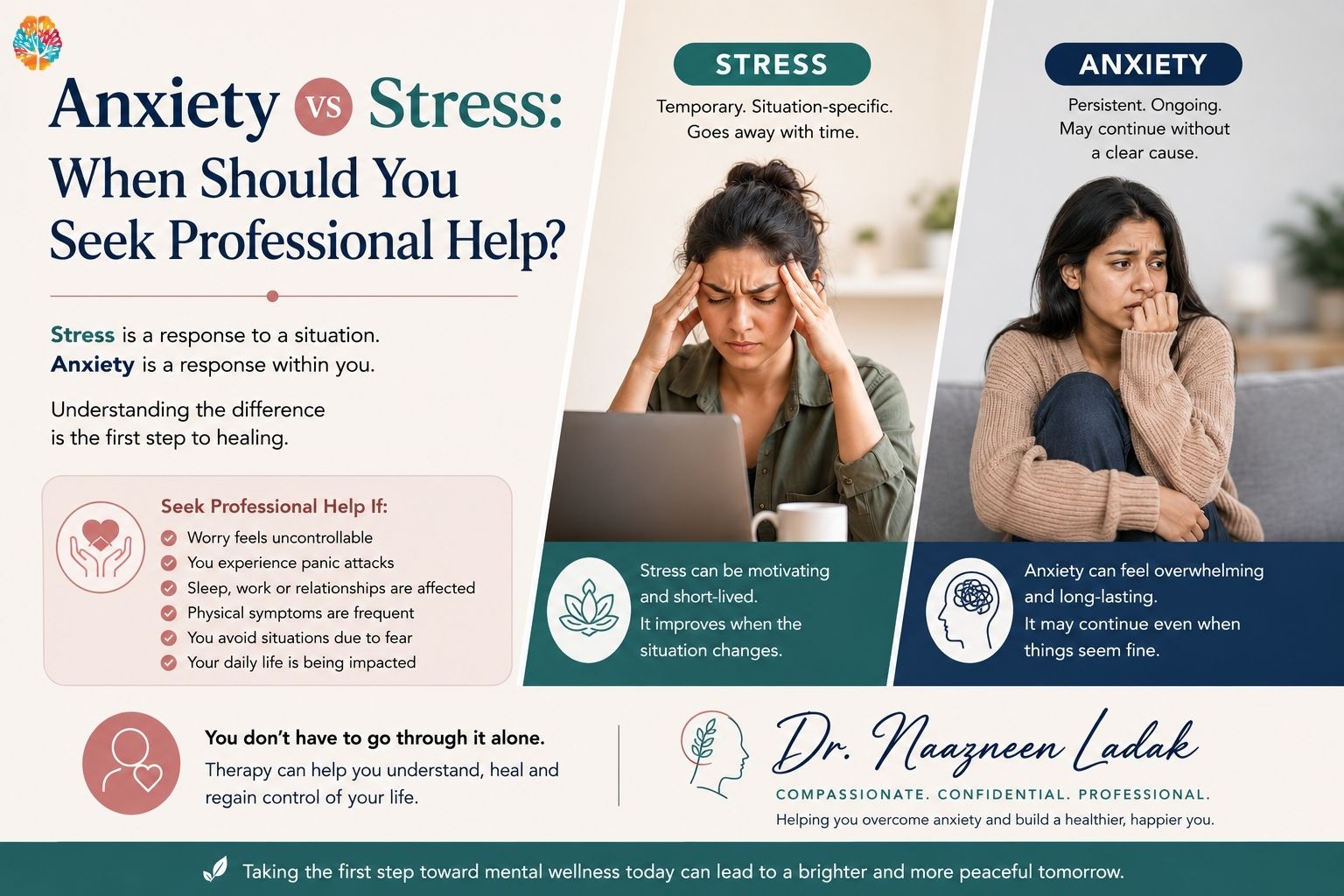


Mental health is just as important as physical health, yet many people hesitate to seek professional help when they experience emotional or psychological difficulties. Stress, anxiety, and occasional mood changes are a normal part of life. However, when these challenges begin to interfere with daily activities, relationships, work performance, or overall well-being, it may be time to consult a psychiatrist.
A psychiatrist is a medical professional trained to diagnose, treat, and manage mental health conditions through therapy, medication, and personalized treatment plans. Seeking timely support can prevent symptoms from worsening and help individuals regain control of their lives.
According to experienced psychiatrist Dr. Naazneen Ladak, recognizing the early warning signs of mental health concerns is the first step toward recovery. Here are ten important signs that indicate it may be time to consult a psychiatrist in Mumbai.
1. Persistent Feelings of Sadness or Depression
Everyone experiences sadness from time to time, especially after a loss, disappointment, or major life change. However, if feelings of sadness, hopelessness, emptiness, or despair persist for weeks or months, it may indicate depression.
Common symptoms include:
- Loss of interest in activities once enjoyed
- Low energy and fatigue
- Difficulty concentrating
- Changes in appetite
- Feelings of worthlessness
A psychiatrist can evaluate these symptoms and recommend appropriate treatment to improve emotional well-being.
2. Excessive Anxiety or Constant Worry
Anxiety becomes a concern when it is persistent, overwhelming, and difficult to control. Constant worry about work, finances, relationships, or health can affect sleep, productivity, and quality of life.
Signs of problematic anxiety include:
- Restlessness
- Racing thoughts
- Muscle tension
- Panic attacks
- Difficulty relaxing
Seeking help from a psychiatrist can help identify the underlying causes and provide effective coping strategies.
3. Significant Changes in Sleep Patterns
Sleep and mental health are closely connected. Difficulty falling asleep, staying asleep, waking up frequently during the night, or sleeping excessively can be signs of an underlying mental health condition.
Persistent sleep disturbances may be linked to:
- Anxiety disorders
- Depression
- Stress-related conditions
- Bipolar disorder
A psychiatric evaluation can help determine whether mental health factors are contributing to sleep issues.
4. Sudden Mood Swings
Experiencing occasional mood fluctuations is normal. However, extreme mood swings that affect daily functioning may indicate a more serious mental health concern.
Examples include:
- Intense irritability
- Periods of unusually high energy
- Emotional outbursts
- Episodes of sadness followed by excitement
Such symptoms may be associated with mood disorders that require professional assessment and treatment.
5. Difficulty Managing Daily Responsibilities
When mental health challenges begin affecting your ability to perform routine tasks, it is important to seek support.
Warning signs include:
- Missing work or school frequently
- Difficulty focusing on responsibilities
- Neglecting personal hygiene
- Trouble managing household tasks
If emotional distress is interfering with your daily life, consulting a psychiatrist can provide valuable guidance and support.
6. Social Withdrawal and Isolation
Many people naturally enjoy occasional alone time. However, withdrawing from family, friends, and social activities for extended periods can be a sign of depression, anxiety, or other mental health conditions.
You may notice:
- Avoiding social gatherings
- Reduced communication with loved ones
- Loss of interest in relationships
- Feeling disconnected from others
Professional intervention can help address the underlying issues and encourage healthier social engagement.
7. Unexplained Physical Symptoms
Mental health conditions often manifest through physical symptoms that have no clear medical explanation.
These may include:
- Frequent headaches
- Digestive problems
- Chronic fatigue
- Muscle pain
- Rapid heartbeat
When medical tests fail to identify a physical cause, emotional stress or psychological factors may be contributing to these symptoms.
8. Increased Use of Alcohol or Substances
Some individuals turn to alcohol, smoking, or other substances to cope with stress, anxiety, or emotional pain. While this may provide temporary relief, it often worsens mental health problems over time.
Signs to watch for include:
- Drinking more frequently
- Dependence on substances to relax
- Difficulty stopping use
- Neglecting responsibilities due to substance use
A psychiatrist can help identify underlying emotional concerns and recommend healthier coping mechanisms.
9. Thoughts of Self-Harm or Suicide
One of the most serious warning signs is experiencing thoughts of self-harm, suicide, or feeling that life is not worth living.
These thoughts should never be ignored. Immediate professional support is essential if you or someone you know experiences:
- Suicidal thoughts
- Self-harming behavior
- Persistent hopelessness
- Feelings of being a burden
Seeking urgent psychiatric care can be life-saving and provide the support needed during difficult times.
10. Difficulty Coping with Major Life Changes
Life events such as divorce, job loss, financial difficulties, relocation, relationship problems, or the death of a loved one can significantly impact mental health.
While some emotional distress is expected, professional support may be necessary if you experience:
- Prolonged grief
- Severe anxiety
- Emotional numbness
- Difficulty adjusting to changes
A psychiatrist can help you process these experiences and develop healthy coping strategies.
Why Early Psychiatric Intervention Matters
Many mental health conditions become more manageable when identified and treated early. Delaying treatment can lead to worsening symptoms, strained relationships, reduced work performance, and decreased quality of life.
Benefits of consulting a psychiatrist include:
- Accurate diagnosis of mental health conditions
- Personalized treatment plans
- Access to evidence-based therapies
- Medication management when necessary
- Improved emotional resilience and coping skills
Early intervention often leads to better outcomes and faster recovery.
When Should You Seek Professional Help?
If emotional, behavioral, or psychological symptoms persist for more than a few weeks, interfere with daily functioning, or cause significant distress, it is advisable to consult a mental health professional. Seeking help is not a sign of weakness—it is a proactive step toward better health and well-being.
Consult Dr. Naazneen Ladak in Mumbai
Mental health concerns should never be ignored. Whether you are experiencing anxiety, depression, stress, mood changes, or difficulty coping with life's challenges, professional support can make a meaningful difference.
Dr. Naazneen Ladak provides compassionate and personalized psychiatric care for individuals facing a wide range of mental health concerns. With a patient-centered approach and evidence-based treatment strategies, she helps individuals achieve emotional balance, improved mental wellness, and a better quality of life.
If you recognize any of these warning signs in yourself or a loved one, consider seeking professional guidance today. Taking the first step toward mental health support can lead to lasting positive change and a healthier future.