

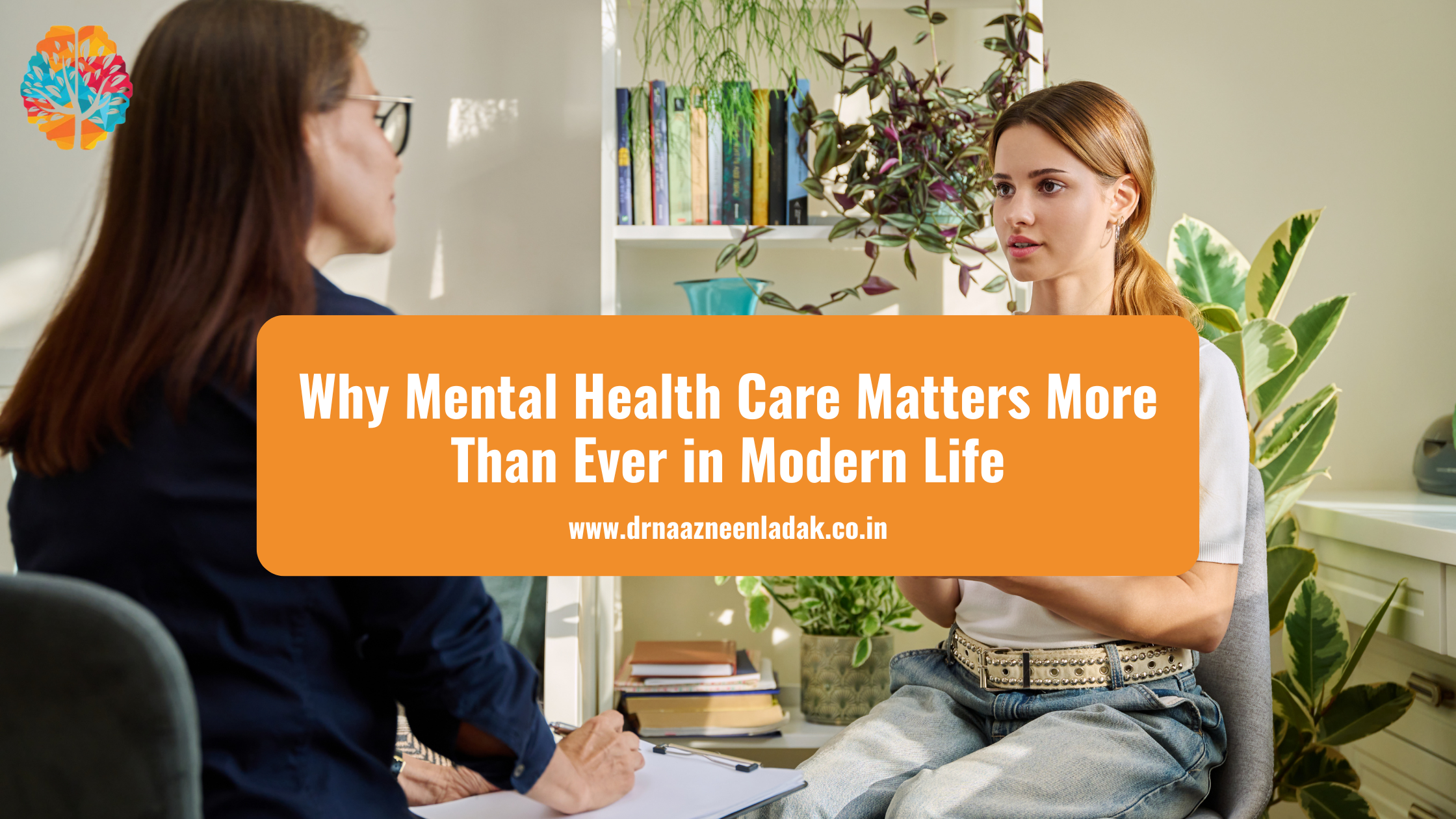
In today’s rapidly changing world, mental health care has become just as important as physical health care. Modern lifestyles, increasing responsibilities, digital overload, social pressures, and constant uncertainty have significantly affected emotional well-being. As a psychiatrist, I have witnessed a growing number of individuals experiencing stress, anxiety, depression, and emotional exhaustion — often without realizing that professional help can make a meaningful difference.
Mental health is not simply the absence of illness; it is the foundation of how we think, feel, behave, and connect with others. Prioritizing mental health care allows individuals to live more balanced, productive, and fulfilling lives.
The Changing Nature of Modern Life
Modern life offers convenience and opportunities, but it also brings unique psychological challenges. Long working hours, competitive environments, financial stress, relationship expectations, and constant exposure to social media create emotional pressure that previous generations experienced differently.
Many people feel the need to remain constantly productive and emotionally strong, which often leads them to ignore early warning signs of mental distress. Over time, unmanaged stress accumulates and may develop into anxiety disorders, depression, burnout, or sleep disturbances.
Mental health care helps individuals recognize these challenges early and develop healthier coping mechanisms before problems become overwhelming.
Understanding Mental Health Beyond Myths
One of the biggest barriers to seeking help is stigma. Many people still believe that mental health support is only necessary for severe conditions. In reality, mental health care benefits everyone — just like regular medical checkups support physical health.
Seeking psychiatric support does not mean weakness. Instead, it reflects self-awareness and a proactive approach toward emotional well-being. Therapy and psychiatric care provide structured guidance, helping individuals understand their thoughts, emotions, and behaviors more clearly.
Mental health care focuses on prevention, early intervention, and long-term emotional stability.
The Impact of Stress and Anxiety in Daily Life
Stress has become a normal part of modern living, but chronic stress can significantly affect both mental and physical health. Persistent anxiety may lead to symptoms such as:
-
Difficulty concentrating
-
Irritability and mood changes
-
Sleep problems
-
Fatigue or low motivation
-
Physical symptoms like headaches or muscle tension
When ignored, these symptoms can interfere with relationships, work performance, and overall quality of life.
Through professional evaluation and therapy, individuals learn practical strategies to manage stress effectively, regulate emotions, and restore mental balance.
Why Early Mental Health Support Is Important
Early intervention plays a crucial role in successful mental health treatment. Many individuals delay seeking help until symptoms become severe, making recovery more challenging.
Addressing concerns early allows for:
-
Faster emotional recovery
-
Improved coping skills
-
Prevention of long-term psychological difficulties
-
Better personal and professional functioning
As a psychiatrist, my goal is not only to treat mental health conditions but also to empower individuals with tools that help them maintain emotional resilience throughout life.
The Role of Therapy and Psychiatric Care
Mental health treatment is highly personalized. Depending on individual needs, care may include psychotherapy, counselling, lifestyle guidance, or medication when necessary.
Therapy provides a safe and confidential space where individuals can openly discuss their concerns without fear of judgment. It helps patients:
-
Understand emotional patterns
-
Improve self-awareness
-
Build healthier relationships
-
Develop stress management techniques
-
Strengthen confidence and decision-making skills
Psychiatric care combines scientific understanding with compassionate support, ensuring that treatment addresses both emotional and biological aspects of mental health.
Mental Health and Physical Well-Being Are Connected
Mental and physical health are deeply interconnected. Chronic stress and untreated mental health issues can contribute to physical conditions such as high blood pressure, weakened immunity, digestive problems, and fatigue.
Similarly, physical illnesses can impact emotional health. This connection highlights why holistic care — addressing both mind and body — is essential for overall wellness.
When mental health improves, individuals often notice better sleep, increased energy, improved concentration, and healthier relationships.
Creating a Culture of Mental Wellness
Modern society is gradually becoming more open about mental health conversations, which is an encouraging shift. However, true progress requires continued awareness and education.
Simple steps that promote mental wellness include:
-
Maintaining a balanced routine
-
Practicing mindfulness or relaxation techniques
-
Staying socially connected
-
Setting realistic expectations
-
Seeking professional help when needed
Mental health care should be viewed as a normal and essential part of healthcare, not a last resort.
When Should You Seek Professional Help?
If emotional distress begins affecting daily functioning, relationships, sleep, or productivity, it may be time to consult a mental health professional. You do not need to wait for a crisis to seek support.
Common reasons people seek psychiatric consultation include:
-
Persistent sadness or anxiety
-
Difficulty managing stress
-
Relationship challenges
-
Workplace burnout
-
Attention or behavioral concerns
-
Emotional overwhelm
Early guidance can prevent long-term difficulties and help individuals regain clarity and emotional stability.
A Compassionate Approach to Mental Health
As a mental health professional, I believe that every individual deserves understanding, empathy, and personalized care. Mental health treatment is not about changing who you are; it is about helping you become a healthier, more balanced version of yourself.
Modern life may be fast-paced and demanding, but with the right support, individuals can build resilience, improve emotional well-being, and lead meaningful lives.
Prioritizing mental health is one of the most important investments you can make — for yourself, your relationships, and your future.