

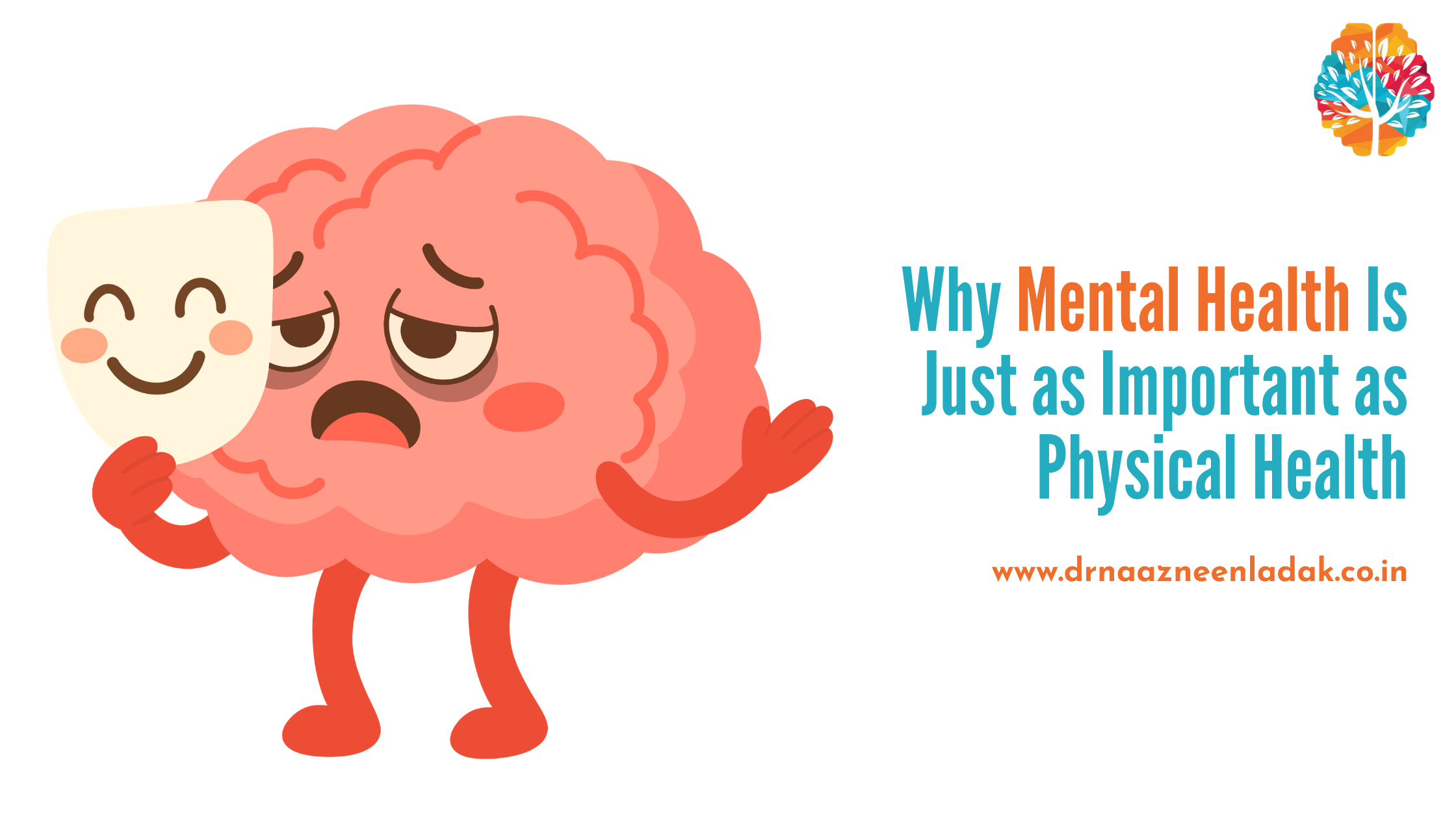
In today’s fast-paced world, people often focus heavily on their physical health. Regular exercise, healthy eating, and routine medical check-ups are commonly prioritized. However, mental health is equally important and plays a crucial role in overall well-being. As a psychiatrist, I often meet individuals who ignore their emotional struggles until they begin to affect their daily life, relationships, and productivity. Understanding the importance of mental health is essential for living a balanced and fulfilling life.
Understanding Mental Health
Mental health refers to a person’s emotional, psychological, and social well-being. It affects how we think, feel, and behave in our daily lives. It also influences how we handle stress, interact with others, and make decisions.
Just like physical health, mental health can change over time. Stressful life events, work pressure, relationship issues, trauma, or major life changes can impact a person’s emotional state. When these challenges become overwhelming, they may lead to conditions such as anxiety, depression, mood disorders, or other mental health concerns.
Taking care of mental health does not mean avoiding stress completely. Instead, it involves learning how to cope with challenges, maintaining emotional balance, and seeking professional support when needed.
The Connection Between Mental and Physical Health
Mental health and physical health are closely connected. Poor mental health can lead to physical problems, and physical illnesses can also affect mental well-being.
For example, individuals dealing with long-term stress may experience headaches, digestive problems, sleep disturbances, and weakened immunity. Anxiety and depression can also increase the risk of heart disease, fatigue, and chronic pain.
Similarly, people who struggle with physical illnesses such as diabetes, chronic pain, or heart conditions may experience emotional distress or depression. This shows that the mind and body work together, and maintaining balance in both areas is essential for overall health.
Signs That Your Mental Health Needs Attention
Many people ignore early signs of mental health challenges, thinking they will go away on their own. However, recognizing these signs early can help prevent more serious problems later.
Some common signs that indicate a person may need mental health support include:
-
Persistent sadness or low mood
-
Excessive worry or anxiety
-
Difficulty concentrating
-
Changes in sleep or appetite
-
Loss of interest in activities once enjoyed
-
Feeling overwhelmed or emotionally drained
-
Difficulty managing daily responsibilities
If these symptoms continue for a long time or begin affecting work, relationships, or daily functioning, it may be helpful to consult a mental health professional.
Why Mental Health Care Matters
Taking care of mental health improves many aspects of life. Individuals who maintain good mental well-being often experience better relationships, improved productivity, and greater emotional resilience.
Mental health care also helps people manage stress more effectively. In today’s demanding environment, many individuals face pressure from work, family responsibilities, and personal expectations. Learning healthy coping strategies through therapy or psychiatric support can make these challenges easier to handle.
Another important benefit of mental health care is improved decision-making and self-awareness. When individuals understand their emotions and thought patterns, they can make healthier choices and maintain better control over their lives.
The Role of Professional Support
While self-care strategies such as exercise, meditation, and maintaining social connections are helpful, professional guidance can be extremely valuable for individuals facing mental health difficulties.
As a psychiatrist, my role is to help patients understand their emotional challenges, identify underlying causes, and develop effective treatment plans. This may include therapy, lifestyle adjustments, stress management techniques, and when necessary, medical treatment.
Seeking psychiatric support does not mean a person is weak. In fact, reaching out for help is a positive and courageous step toward improving one’s quality of life.
Breaking the Stigma Around Mental Health
One of the biggest barriers to mental health care is stigma. Many people still hesitate to discuss emotional struggles due to fear of judgment or misunderstanding. However, mental health conditions are common and treatable, just like physical illnesses.
Open conversations about mental health can help create awareness and encourage more people to seek help when they need it. Families, workplaces, and communities all play an important role in supporting mental well-being.
By understanding that mental health is a vital part of overall health, we can create a more supportive and compassionate society.
Taking Small Steps Toward Better Mental Health
Improving mental health does not always require major changes. Small daily habits can make a big difference in emotional well-being. Some helpful practices include:
-
Maintaining a healthy sleep routine
-
Practicing stress-management techniques such as mindfulness or meditation
-
Staying physically active
-
Talking openly with trusted friends or family members
-
Seeking professional support when emotional challenges become overwhelming
These simple steps can help individuals build emotional resilience and maintain a healthier balance between mind and body.
Final Thoughts
Mental health is just as important as physical health, yet it is often overlooked. Taking care of emotional well-being is essential for living a healthy, balanced, and fulfilling life.
If you or someone you know is struggling with emotional challenges, seeking professional support can make a significant difference. As a psychiatrist, my goal is to help individuals understand their mental health, overcome challenges, and achieve a better quality of life.
Prioritizing mental health is not just about treating problems—it is about creating a foundation for long-term well-being and personal growth.