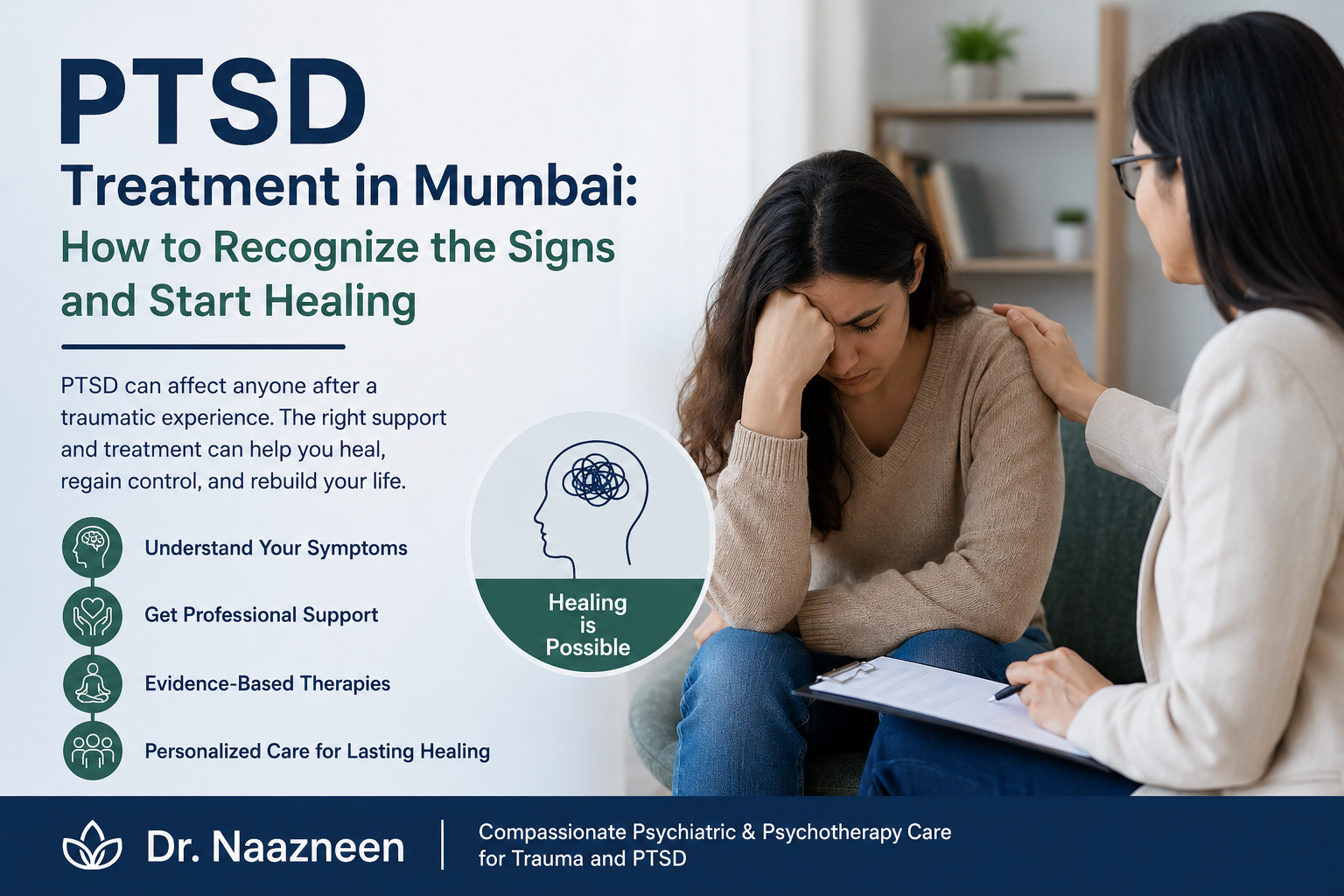


In recent years, India has witnessed a growing recognition of mental health as an essential component of overall well-being. Psychiatry treatment, once shrouded in stigma and misunderstanding, has now begun to receive the attention it deserves. However, many patients and families seeking psychiatric care still have questions and concerns about the process, the sciences behind treatment, and what to expect on their mental health journey. As a practising psychiatrist in Mumbai, I, Dr. Naazneen Ladak, have worked closely with individuals across ages and backgrounds. This article aims to provide a clear, compassionate, and practical understanding of psychiatry treatment in India — so that patients can navigate the journey with knowledge, confidence, and dignity.
Read Also: Psychiatry Treatment Explained: When and Why You Should Seek Help
Understanding Psychiatry: The Basics
Psychiatry is a medical specialty dedicated to the diagnosis, treatment, and prevention of mental health conditions. Unlike popular misconceptions, psychiatric care does not only involve medication or counseling in isolation — it is a holistic medical approach that combines various therapeutic modalities tailored to individual needs.
Mental health conditions in psychiatry may include:
- Anxiety disorders
- Depression
- Bipolar affective disorder
- Schizophrenia and other psychotic disorders
- Obsessive-compulsive disorder (OCD)
- Trauma and stress-related disorders
- Neurodevelopmental conditions (e.g., ADHD, autism spectrum disorders)
- Substance use disorders
Each condition has its own complexities, and treatment plans are personalized based on severity, symptoms, medical history, support system, and long-term goals.
Why Early and Appropriate Psychiatric Treatment Matters
Mental health conditions are medical, not moral or personal weaknesses. Early intervention can significantly improve outcomes and quality of life. When left untreated, conditions such as depression or anxiety can escalate, causing distress in relationships, work performance, and physical health. Some untreated conditions can lead to self-harm, suicidal thoughts, or risks to personal safety.
Through compassionate understanding, accurate diagnosis, and evidence-based treatment, psychiatry has the power to restore functioning, resilience, and hope.
Psychiatry Treatment in India: How It Works
1. Assessment and Evaluation
The first step in psychiatric care is a comprehensive evaluation. This includes a detailed clinical interview, understanding the patient’s symptoms, medical history, social context, and any past treatments. In certain cases, standardized psychological tests or medical investigations may be recommended to rule out other health conditions that mimic psychiatric symptoms.
Importantly, this evaluation is collaborative — it respects the patient’s lived experience, concerns, and goals. Building trust is essential; patients are encouraged to share openly without fear of judgment.
2. Diagnosis
Diagnosis in psychiatry is based on clinical criteria, observed behaviors, and reported experiences. Tools such as the Diagnostic and Statistical Manual of Mental Disorders (DSM-5) are used globally to ensure accurate categorization of mental health conditions.
A diagnosis is not a label — it is a guide that helps psychiatrists plan effective treatment, monitor progress, and communicate clearly with patients and other healthcare professionals.
3. Personalized Treatment Planning
Once a diagnosis is made, the next step is crafting a personalized treatment plan. Psychiatry employs a range of therapeutic options, including:
a. Pharmacotherapy (Medication)
Medication can be crucial in stabilizing mood, reducing anxiety, or correcting chemical imbalances in the brain. Modern psychiatric medications are safer and more targeted than ever before. However, medications are prescribed thoughtfully, tailored to the individual, and monitored regularly for effectiveness and side effects.
b. Psychotherapy (Talk Therapy)
Psychotherapy, such as cognitive-behavioral therapy (CBT), interpersonal therapy (IPT), or psychodynamic therapy, helps patients understand patterns, develop coping strategies, and create long-lasting emotional resilience. Therapy is not just for “severe” cases — it is effective for anyone seeking deeper insight or relief from stress, trauma, or life transitions.
c. Supportive Interventions
Family therapy, group therapy, occupational therapy, and lifestyle interventions (sleep hygiene, exercise, mindfulness) are often integrated with other treatments to enhance outcomes.
4. Follow-Up and Monitoring
Mental health treatment is not a one-time event but an ongoing process. Regular follow-ups allow psychiatrists to monitor progress, adjust treatments, address side effects, and support long-term recovery. Continuity of care strengthens therapeutic outcomes and fosters a stronger therapeutic alliance between patient and provider.
Read Also: Modern Psychiatry Treatment: Science-Based Care for the Mind
Common Misconceptions about Psychiatric Treatment
Even as awareness grows, some myths still affect care-seeking behavior. Let’s address a few:
Myth 1: “Psychiatric treatment is only for severe mental illness.”
Reality: Mental health care benefits people across a spectrum of concerns — from stress and anxiety to chronic mood disorders.
Myth 2: “Seeing a psychiatrist means I’ll be ‘on medication forever.’”
Reality: Medication is one element of treatment. Many patients use medication temporarily or in combination with therapy, depending on clinical needs.
Myth 3: “Therapy is just ‘talking’ and won’t help.”
Reality: Psychotherapy is a structured, evidence-based approach that produces measurable improvements in coping, functioning, and emotional regulation.
Myth 4: “Mental illness is shameful or a personal failure.”
Reality: Mental health conditions are medical conditions. Just like diabetes or hypertension, they require care, support, and understanding — not stigma.
Accessing Psychiatric Care in India
Over the past decade, India has significantly improved mental health infrastructure. Major cities like Mumbai, Delhi, Bangalore, and Chennai now have specialized psychiatric centers, private practices, and multidisciplinary mental health teams. Telepsychiatry services, especially after the COVID-19 pandemic, have expanded access for patients in smaller towns and rural regions.
While access has increased, challenges remain — including awareness, affordability, and societal stigma. Patients should know:
- It is okay to seek help.
- Mental health records are confidential.
- You can ask questions about treatment, side effects, and alternatives.
- Progress may take time; patience is part of the journey.
What Patients Should Know About Choosing the Right Psychiatrist
Selecting the right psychiatrist can make a profound difference in treatment outcomes. Patients should consider:
1. Qualifications and Experience
Ensure your psychiatrist is a qualified medical professional with training in psychiatry. Experience with specific conditions (e.g., mood disorders, trauma) can be helpful.
2. Communication Style
Good psychiatric care depends on trust and communication. Patients should feel comfortable discussing their fears, symptoms, and questions.
3. Collaborative Care Approach
The best treatment plans are collaborative. A psychiatrist should involve the patient in decision-making and respect patient choices.
4. Accessibility
Consider practical factors like session availability, location, follow-up support, and telepsychiatry options if needed.
Looking Ahead: The Future of Psychiatry in India
India is at the cusp of a mental health transformation. Government initiatives like the Mental Healthcare Act, 2017, emphasize dignity, rights, and access for people with mental illness. Public dialogue on mental health has increased through media, education, and influential voices, reducing stigma and encouraging care-seeking.
Emerging research in neurobiology, digital therapeutics, mindfulness-based practices, and precision psychiatry promises more personalized and effective interventions. Importantly, the future of mental health in India will be shaped by compassion, scientific advancement, and collective awareness.
Conclusion
Psychiatry treatment in India is both an evolving science and a deeply human discipline. For patients seeking help, knowledge is empowering. Understanding what psychiatry involves — its goals, methods, and potential — can reduce fear and open the door to healing.
If you or your loved ones are navigating emotional distress, psychiatric care can offer clarity, support, and recovery. You do not have to walk the journey alone.
As a psychiatrist dedicated to patient-centric care in Mumbai, I encourage every individual to view mental health as a priority — because mental wellness is not just the absence of illness, but the presence of strength, balance, and purpose.