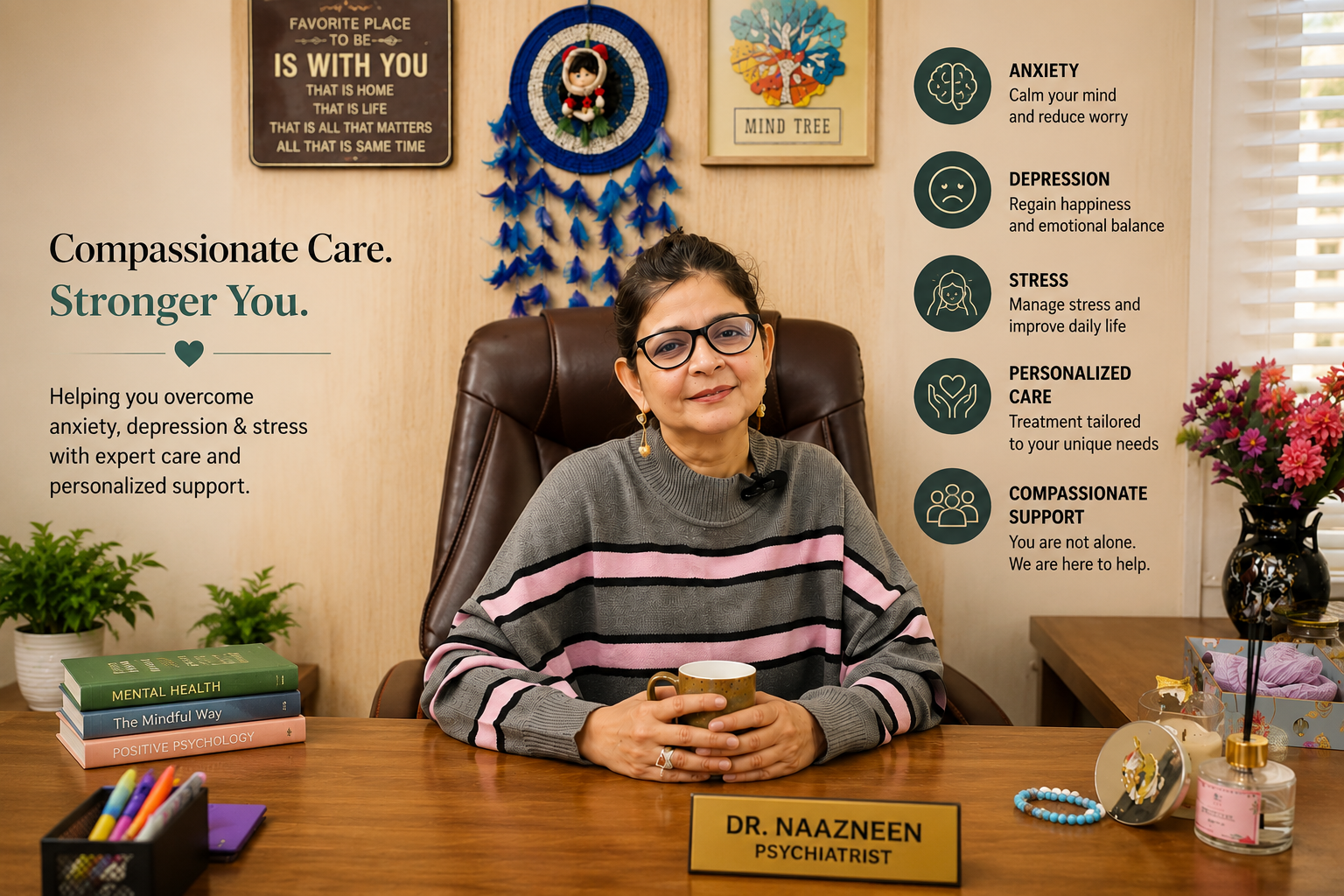


Depression is more than just feeling sad or low. It is a complex mental health condition that can deeply affect one’s emotions, thoughts, physical health, and daily functioning. Over the years, working as a psychiatrist in Mumbai, I’ve met countless individuals who silently struggle with depression — often without realizing they need help. The good news is that depression is treatable, and recovery is absolutely possible with the right support, treatment, and mindset.
If you or someone you love has been feeling persistently sad, emotionally exhausted, or unable to find motivation, know that help is within reach. Let’s explore what depression truly is, what causes it, and the steps that lead toward healing and hope.
Read Also: Understanding Bipolar Disorder: Signs, Treatments, and Hope for Recovery
Understanding Depression Beyond Sadness
Depression is more than temporary sadness. It’s a sustained state of low mood that interferes with work, relationships, and everyday life. Some people describe it as feeling “emotionally numb” or “disconnected from themselves.” Common symptoms include:
-
Persistent sadness or tearfulness
-
Loss of interest or pleasure in daily activities
-
Sleep disturbances (either too much or too little)
-
Changes in appetite and weight
-
Fatigue or low energy
-
Feelings of guilt, worthlessness, or hopelessness
-
Difficulty concentrating or making decisions
-
Thoughts of death or suicide
It’s important to remember that depression is not a weakness, flaw, or lack of willpower. It is a recognized medical condition resulting from a combination of chemical, genetic, and psychological factors. Just as diabetes or hypertension require professional care, so does depression.
What Causes Depression?
Depression does not have a single cause. It often develops from a blend of biological, environmental, and psychological influences.
-
Biological factors: Imbalances in brain chemicals such as serotonin and dopamine can contribute to depressive symptoms.
-
Genetic predisposition: A family history of depression can increase one’s likelihood of developing it.
-
Stressful life events: Relationship conflicts, job loss, trauma, or bereavement can trigger depressive episodes.
-
Personality traits: People who are overly self-critical or have perfectionist tendencies may be more vulnerable.
-
Physical health conditions: Chronic illness, hormonal changes, or certain medications may contribute to mood changes.
Recognizing these factors doesn’t mean you can’t overcome depression — it helps in designing a personalized treatment plan to restore balance and emotional well-being.
The First Step: Acceptance and Seeking Professional Help
One of the most courageous steps toward healing is accepting that you need support. In Indian society, many people still hesitate to talk about mental health, fearing judgment or stigma. However, acknowledging your struggle is the first and most important step in recovery.
Speaking to a qualified psychiatrist or clinical psychologist can help you gain clarity about your symptoms and treatment options. At my clinic in Andheri, Mumbai, I prioritize understanding each patient’s emotional journey — every experience is unique, and so should be the treatment.
If you’ve been feeling persistently down for more than two weeks, or struggling to perform regular tasks, it’s time to seek help. Early intervention can make recovery faster and more effective.
Effective Treatment Options for Depression
Treatment for depression involves a personalized, evidence-based approach that addresses both biological and psychological needs. Depending on the severity of symptoms, a combination of the following methods is typically recommended:
1. Psychotherapy (Talk Therapy)
Therapy is one of the most effective tools for understanding and reshaping negative thought patterns.
-
Cognitive Behavioral Therapy (CBT): Helps identify distorted thinking and replace it with healthier perspectives.
-
Interpersonal Therapy (IPT): Focuses on improving communication and resolving relationship conflicts contributing to depressive feelings.
-
Mindfulness-based therapy: Teaches techniques to stay present, calm anxious thoughts, and build self-awareness.
Therapy helps you rediscover hope, rebuild self-esteem, and create long-term emotional resilience.
2. Medication Management
In moderate to severe cases, antidepressant medications can help restore the brain’s chemical balance and relieve symptoms. As a psychiatrist, I carefully evaluate each patient’s biological and lifestyle factors before recommending a medication. Regular follow-ups ensure that the dosage and type of medication continue to meet the patient’s evolving needs.
It’s crucial to understand that medication is not addictive when used under professional guidance and can significantly improve quality of life.
3. Lifestyle Modification
Small lifestyle changes can make a big difference in managing depression.
-
Exercise: Regular physical activity releases endorphins, natural “mood boosters.”
-
Healthy diet: Balanced meals with sufficient nutrients support brain function.
-
Sleep hygiene: Good sleep patterns improve mood and mental clarity.
-
Limited screen time: Excessive social media use often worsens depressive symptoms.
-
Mindfulness and yoga: Breathing and grounding practices can reduce stress responses.
In many of my patients, integrating these changes with therapy and medication accelerates recovery and sustains emotional balance.
Read Also: OCD Management Strategies for Mumbai Residents – Expert Advice
Building Emotional Strength and Support Systems
Healing from depression is not a straight path — it involves patience, perseverance, and compassion. Support from family and friends plays a pivotal role. Open communication helps loved ones understand what you’re going through.
If you are supporting someone with depression, listen without judgment, offer reassurance, and encourage professional help. Simple gestures — checking in regularly, spending time together, or helping with daily tasks — can make a meaningful difference.
At our counselling centre, we also offer family counselling and support programs to help loved ones understand the dynamics of depression and become active participants in the recovery journey.
Rebuilding Hope: Life Beyond Depression
Recovery from depression is about rediscovering joy and meaning in life. Many of my patients, after consistent therapy and treatment, report stronger self-awareness, emotional intelligence, and healthier coping mechanisms.
Here are a few guiding principles to hold onto during your healing journey:
-
Healing takes time — progress isn’t always linear.
-
You deserve compassion, not criticism.
-
It’s okay to ask for help — that’s how recovery begins.
-
Every small improvement is a victory.
Depression can make the world seem dark, but with the right help, the fog begins to lift — revealing light, strength, and purpose once again.
Read Also: Mental Health Matters: Benefits of Visiting a Psychiatrist in Mumbai
Final Thoughts
At Dr. Naazneen Ladak’s Psychiatry & Counselling Centre in Andheri, Mumbai, we believe that mental health care should go beyond treating symptoms — it should nurture hope and build resilience for the future. My approach combines modern psychiatric treatment with emotional understanding and a holistic care model focused on your overall well-being.
If you’ve been living with depression or know someone who might be struggling, remember — you are not alone. There is help, there is healing, and most importantly, there is hope.
Your mental wellness journey can begin today.
Reach out, take that first step, and let’s work together toward a life of balance, peace, and happiness.